These articles provide planning ideas, not confirmed visitor arrangements. Check current access, hours, fees and participation requirements with the responsible site or provider.
Grenada is known worldwide as the Spice Isle, and for good reason. This tiny island — just 21 miles long and 12 miles wide — produces more nutmeg per capita than any nation on earth and grows a staggering variety of spices, from cinnamon and cloves to turmeric, ginger, and bay leaves. But Grenada's spice story isn't just about agriculture; it's a cultural identity woven into every meal, every celebration, and every aspect of daily life.
Nutmeg: The Island's Golden Crop
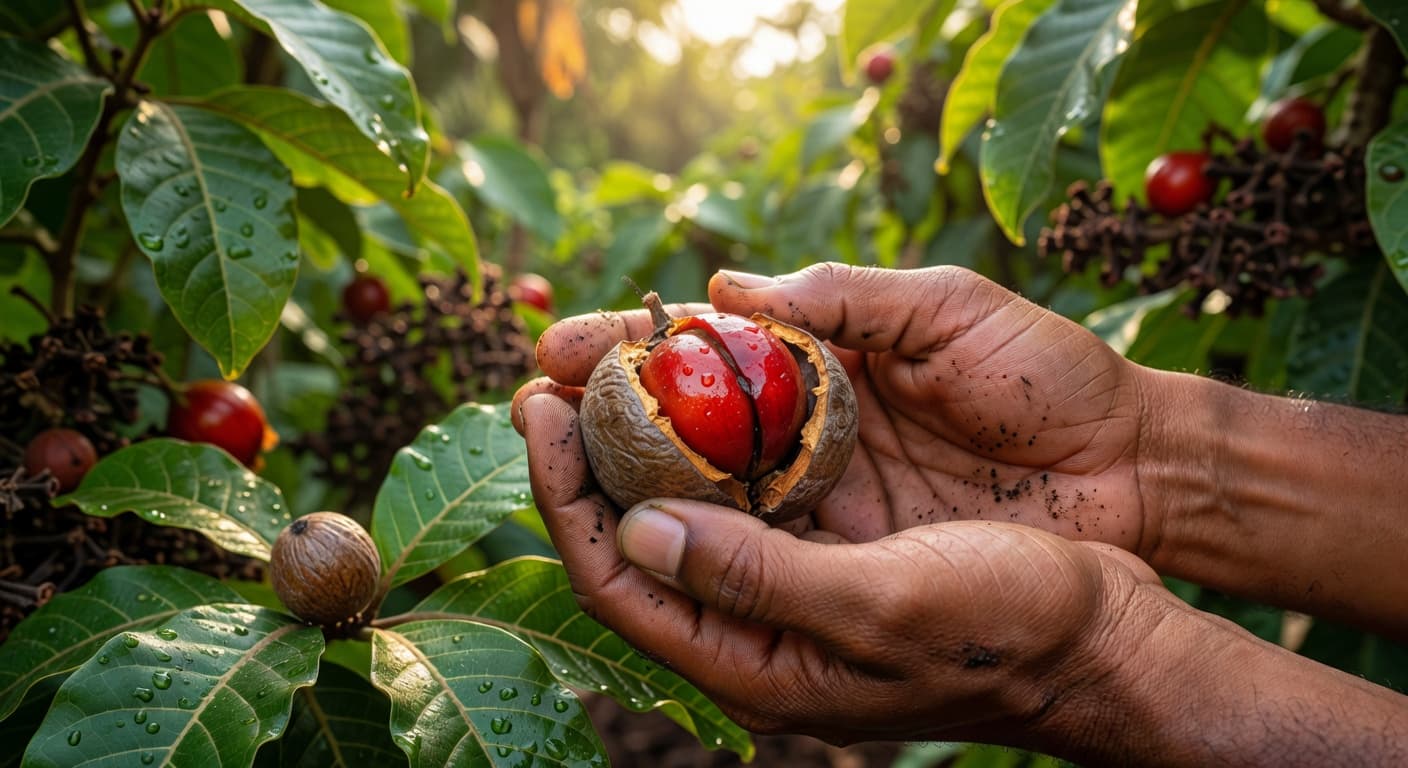
Nutmeg arrived in Grenada in the nineteenth century and became closely associated with the island's economy and identity; it also appears on the national flag. The fruit has several uses, including nutmeg, mace and products made from its outer flesh. Gouyave is a place to research this processing heritage. Confirm current visitor access and what can actually be observed at any station before arranging a visit.
Cinnamon, Cloves, and Beyond
Grenada's spice heritage extends beyond nutmeg to cinnamon, cloves, turmeric, ginger, bay leaves and allspice. A garden or plantation visit can give context to how ingredients are grown and used. Ask the site or an independent guide which plants, activities or demonstrations are part of the current visit; tasting, handling plants and taking samples are not assumed permissions.
Cocoa and the Chocolate Revolution
Cocoa cultivation and chocolate making are another part of Grenada's food heritage. Belmont Estate and the Grenada Chocolate Company are names to research when learning about that history. Current factory or estate entry, workshops, tours and tasting arrangements must be confirmed directly; a mention in this article does not establish that an activity is available or included.
Rum: From Cane to Glass
Rum production is one way to explore the relationship between Grenada's agriculture and food culture. River Antoine is associated with traditional water-powered production, while Clarke's Court and Renegade are other names to research. Factory history or descriptions of production are not confirmation of current visitor access, demonstrations or tastings; check each producer's arrangements directly.
Local Dishes You Must Try
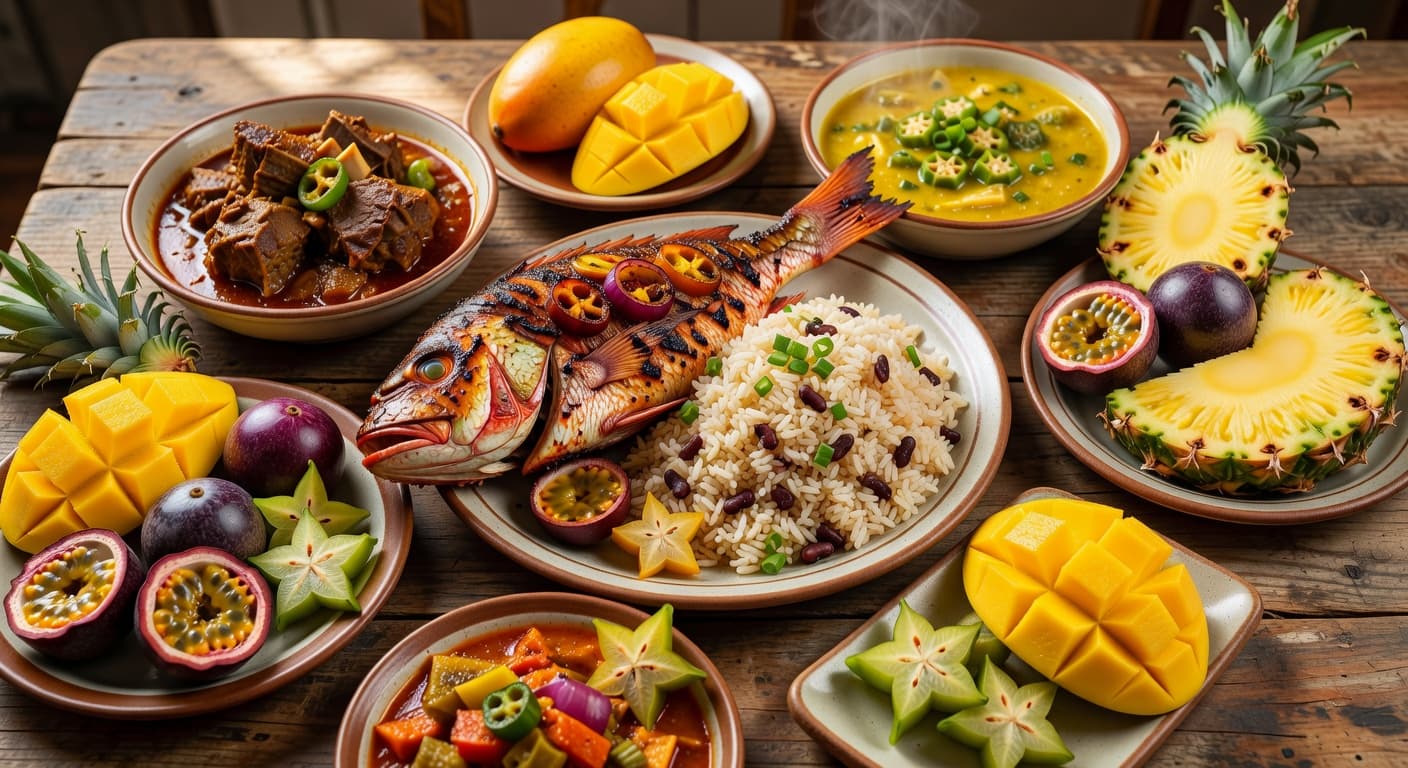
Grenadian cuisine is bold, comforting, and deeply spiced:
- Oil Down — the national dish: breadfruit, salted meat, callaloo, and dumplings slow-cooked in coconut milk with turmeric and spices
- Saltfish & Bake — flaky fried bread with seasoned salt cod, eaten for breakfast or as a snack
- Callaloo Soup — a thick, earthy soup made from dasheen leaves and coconut milk
- Lambie Souse — conch marinated in lime, cucumber, and hot pepper
- Nutmeg Ice Cream — creamy, aromatic, and uniquely Grenadian
- Cocoa Tea — hot chocolate made from freshly grated cocoa balls, sweetened with condensed milk and spiced with cinnamon and nutmeg
Planning Your Culinary Visit
Plan a culinary visit around the ingredients and production processes you want to understand. Compare the actual sites offered by independent operators and check current entry, timing, tasting and transport arrangements. Spice samples, chocolate making, souvenirs and rum tastings are not included merely because an excursion has a culinary theme.
Insider Tip
If a food event such as Gouyave Fish Friday interests you, verify its current dates and arrangements with its organiser before planning around it. Historic references to a weekly event do not confirm that a particular edition is taking place.